Can AI Replace MEP & BIM Engineers? The Truth Every Engineering Student Must Know
Artificial Intelligence (AI) is transforming every industry, and the construction sector is no exception. From generating building layouts in seconds to automating repetitive design tasks, AI has become one of the biggest technological advancements in engineering.
This has also created a common question among engineering students and fresh graduates:
“Will AI replace MEP and BIM engineers?”
The short answer is No. But there is an important reality that every aspiring engineer must understand:
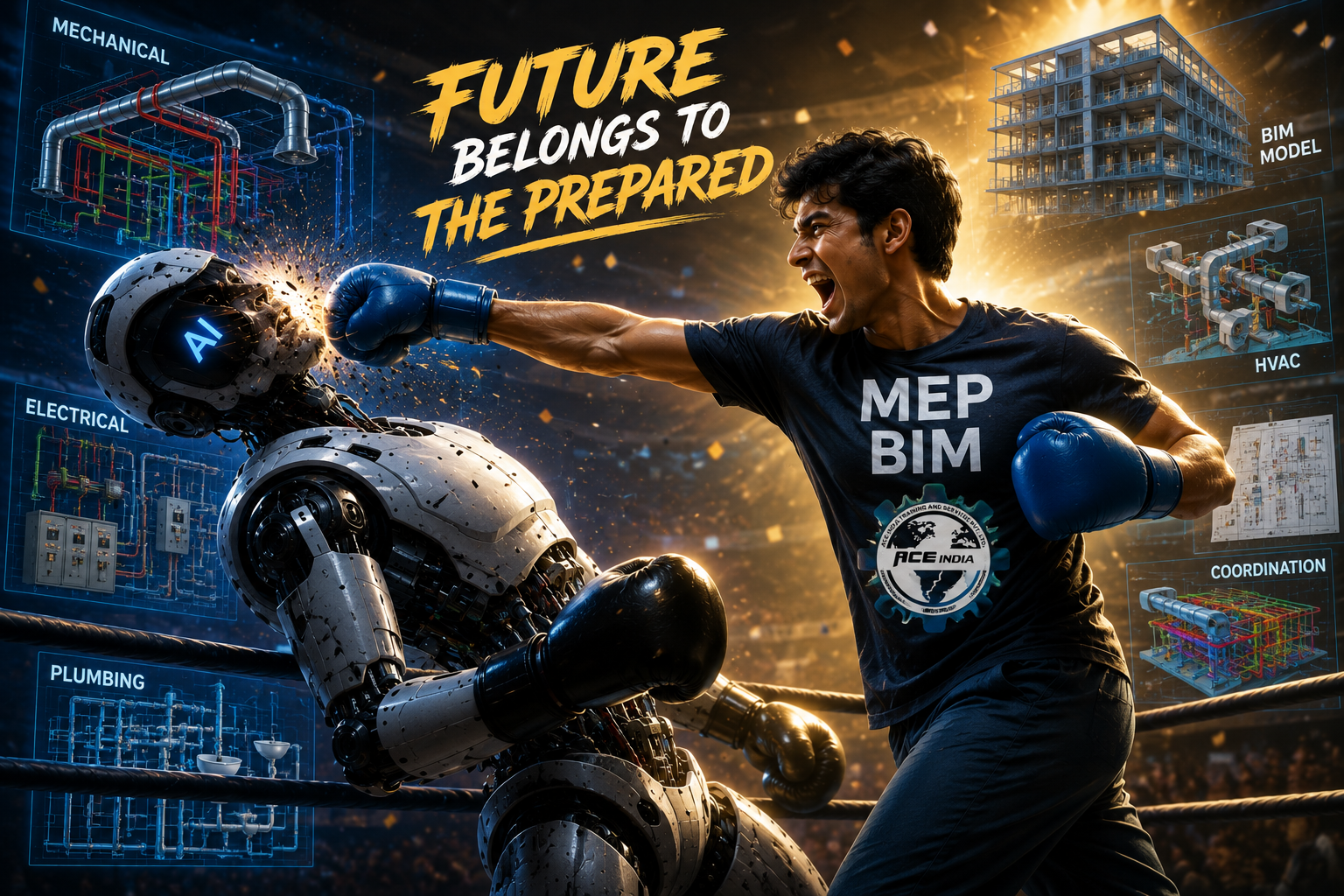
AI will not replace MEP & BIM engineers. Engineers who know how to use AI will replace engineers who don’t.
Let’s understand why.
The Rise of AI in Construction
Artificial Intelligence is rapidly becoming an integral part of the Architecture, Engineering, and Construction (AEC) industry. Modern software can now:
- Generate conceptual building layouts
- Suggest HVAC routing options
- Detect clashes automatically
- Optimize energy performance
- Create schedules and reports
- Automate repetitive documentation
- Predict project risks using historical data
These capabilities are helping companies complete projects faster while reducing errors.
However, AI is only a tool.
It cannot replace engineering judgment, practical experience, coordination skills, or decision-making.
What AI Can Do in MEP & BIM
AI is excellent at handling repetitive and data-driven tasks.
Some examples include:
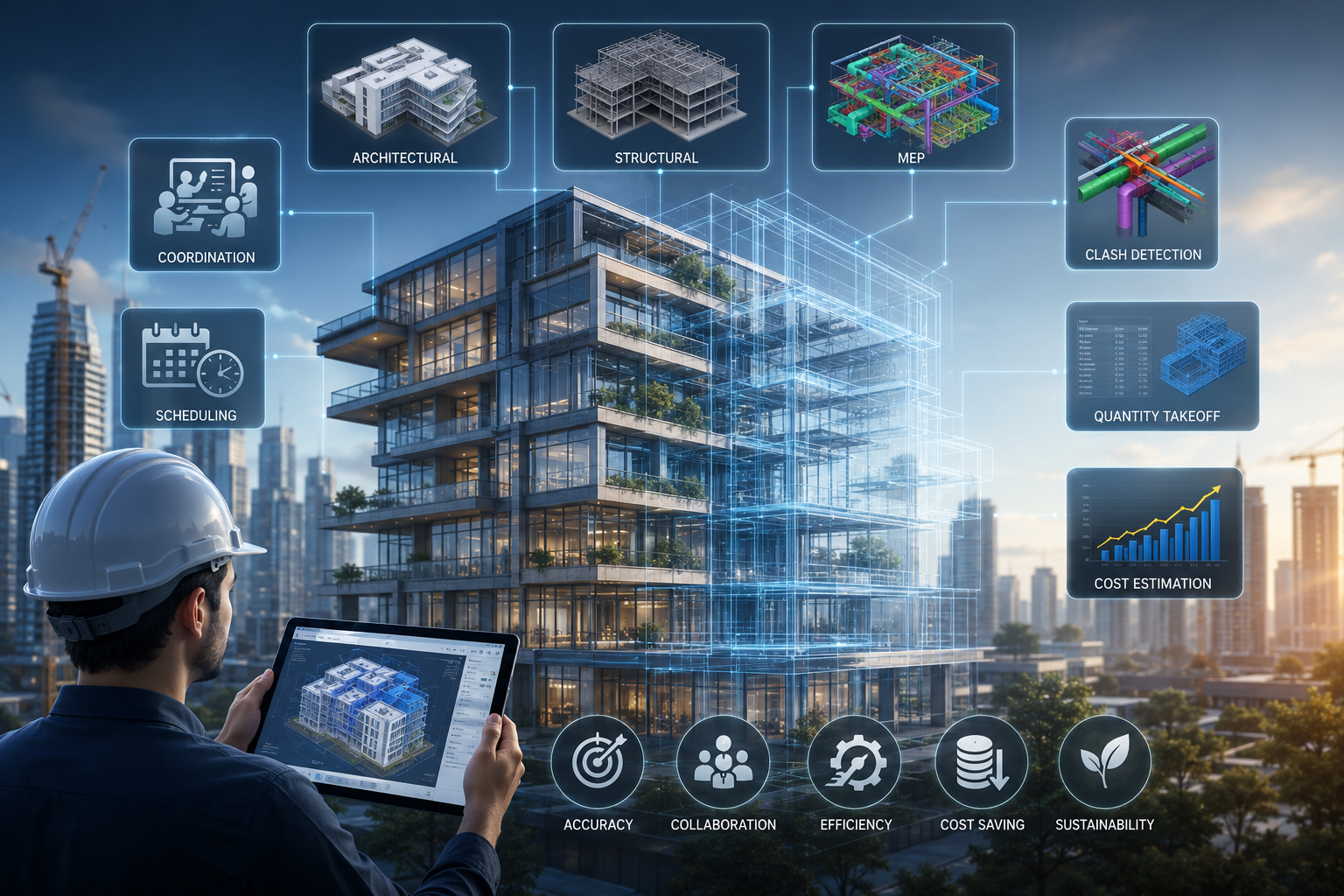
✔ Automatic Clash Detection
AI can identify conflicts between HVAC ducts, plumbing lines, cable trays, beams, and structural members much faster than manual checking.
✔ Route Optimization
AI can recommend efficient routing for:
- HVAC ducts
- Chilled water pipes
- Electrical conduits
- Fire fighting pipelines
This saves design time but still requires engineer approval.
✔ Quantity Take-Off
AI can instantly calculate:
- Pipe lengths
- Cable quantities
- Duct areas
- Equipment schedules
Earlier, engineers spent hours preparing BOQs. AI now performs much of this work within minutes.
✔ Documentation
AI can generate:
- Reports
- RFIs
- Technical summaries
- Meeting minutes
- Method statements
These tasks become significantly faster.
✔ Energy Analysis
AI-powered simulations help improve:
- HVAC efficiency
- Building energy consumption
- Lighting optimization
- Sustainable design
What AI Cannot Replace
Despite its capabilities, AI has major limitations.
Engineering Judgment
Every project is unique.
An experienced engineer understands:
- Client expectations
- Local authority regulations
- Site conditions
- Budget limitations
- Practical installation challenges
AI does not possess real-world engineering judgment.
Site Experience
Construction sites rarely go exactly as planned.
Engineers frequently face challenges such as:
- Limited ceiling heights
- Existing utilities
- Last-minute architectural revisions
- Material shortages
- Contractor coordination
These situations require human decision-making.
Coordination Between Multiple Teams
A BIM engineer regularly coordinates with:
- Architects
- Structural engineers
- MEP consultants
- Contractors
- Project managers
- Clients
Successful coordination depends on communication and negotiation—not artificial intelligence.
Code Compliance
Every country follows different standards.
Examples include:
- NBC
- ASHRAE
- NFPA
- IS Codes
- IEC Standards
- Local Municipality Regulations
AI may assist in checking compliance, but the responsibility remains with qualified engineers.
Client Interaction
Clients often change requirements during project execution.
Engineers must:
- Understand client expectations
- Explain technical solutions
- Balance budget and quality
- Provide practical alternatives
These human interactions cannot be replaced by AI.
The Future of BIM Engineers
Rather than replacing BIM engineers, AI is changing their role.
Tomorrow’s BIM professionals will spend less time on repetitive drafting and more time on:
- Design coordination
- Problem-solving
- Digital project management
- Automation
- Data analysis
- Decision making
In simple words,
The value of engineers is moving from drawing production to engineering intelligence.
The Future of MEP Engineers
Modern MEP engineers are expected to understand:
- Building Services
- BIM Workflows
- AI-assisted Design
- Digital Collaboration
- Sustainability
- Automation Tools
- Smart Buildings
- Digital Twins
Companies now prefer engineers who combine technical knowledge with digital skills.
Why Students Should Not Fear AI
Every technological revolution creates fear.
Years ago people feared:
- CAD would replace draftsmen.
- BIM would replace CAD engineers.
- Automation would eliminate engineering jobs.
Instead, new opportunities emerged.
AI is no different.
Engineers who embrace technology always stay ahead.
Those who resist change eventually become outdated.
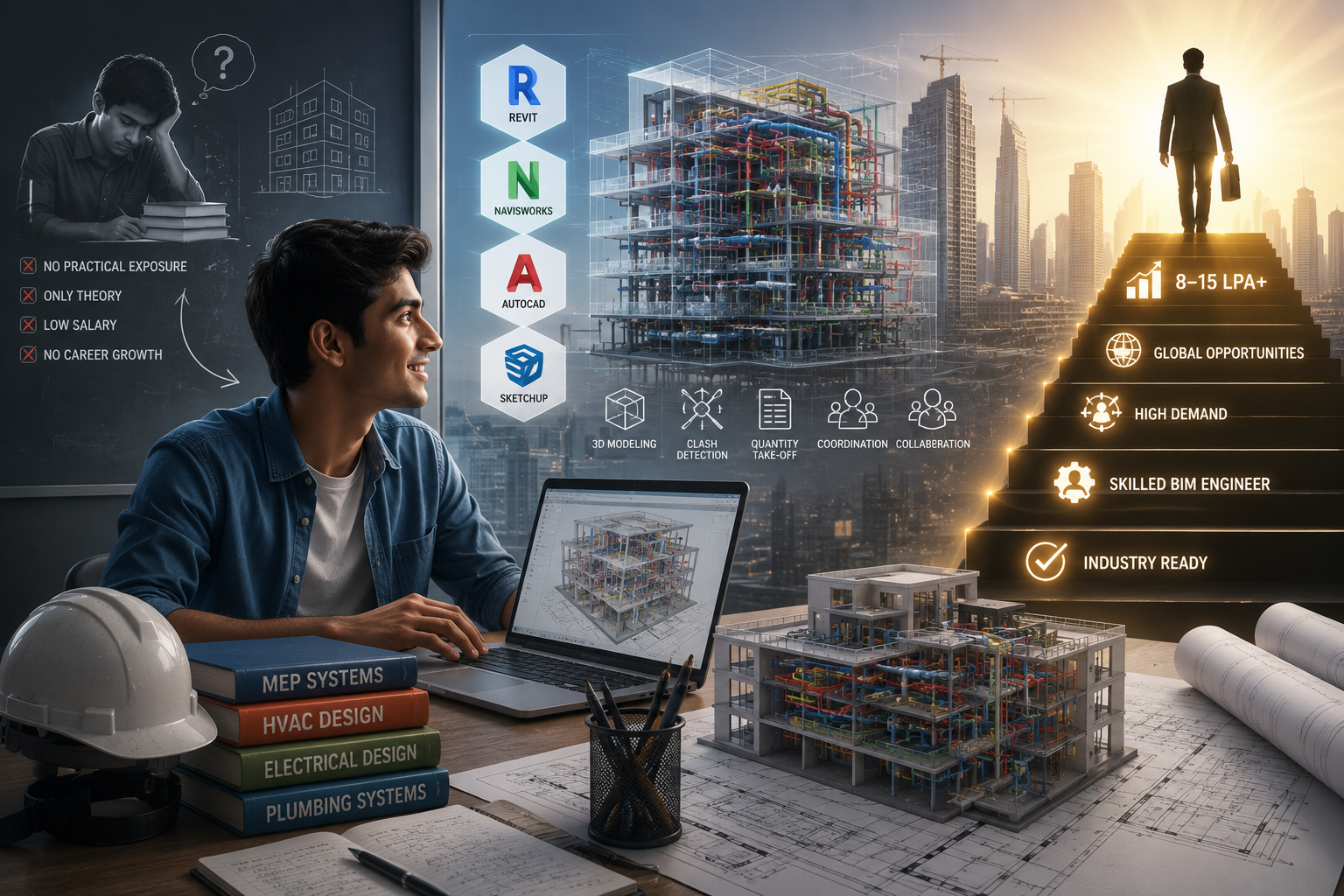
Skills Every Future MEP & BIM Engineer Should Learn
To remain highly employable, students should develop expertise in:
Technical Skills
- HVAC Design
- Electrical Design
- Plumbing Design
- Fire Fighting Systems
- Building Services
BIM Software
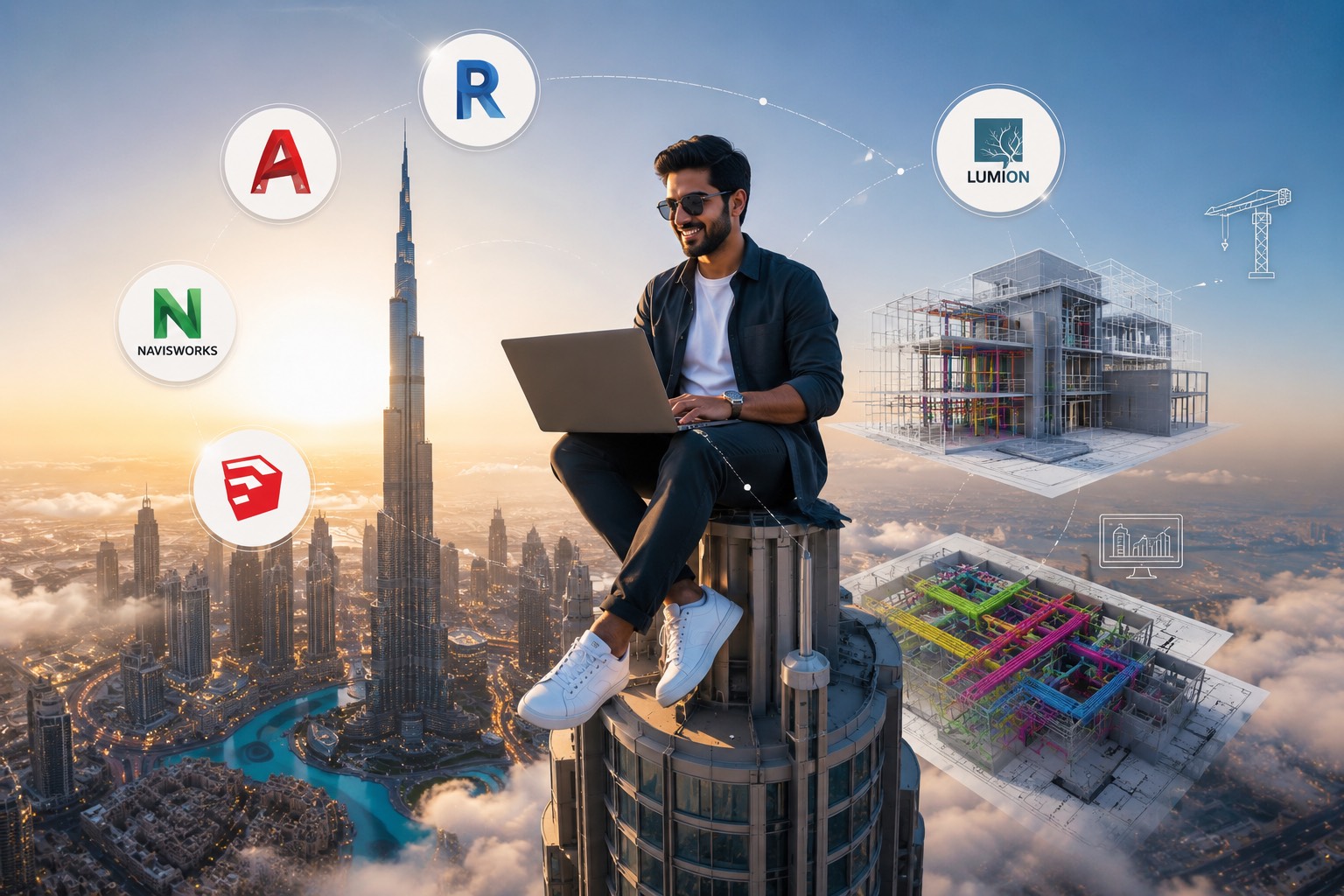
- Autodesk Revit MEP
- Navisworks
- AutoCAD
- BIM Coordination
- Clash Detection
- Quantity Extraction
AI & Digital Skills
- AI-powered design tools
- Prompt engineering for engineering workflows
- AI-assisted documentation
- Workflow automation
- Data analysis
- Cloud collaboration
Soft Skills
- Communication
- Team coordination
- Presentation skills
- Project management
- Leadership
These are the skills that employers increasingly look for in modern engineers.
How ACE India Prepares Students for the Future
At ACE India Training & Services Pvt. Ltd., we believe that learning should always stay ahead of industry trends.
Our BIM Integrated MEP Training Program is designed to prepare students for the future of engineering by combining:
- Practical MEP Engineering
- BIM Workflows
- Real Project Exposure
- Site Visits
- Industry-Based Assignments
- Coordination Techniques
- Latest Digital Engineering Practices
- Placement Assistance
Students don’t just learn software—they learn how real engineering projects are executed, making them ready for industry from day one.
The Real Winner Isn’t AI—It’s the Engineer Who Uses AI
Imagine two engineers applying for the same job.
Engineer A
- Knows traditional drafting
- Avoids AI tools
- Relies only on manual workflows
Engineer B
- Knows MEP fundamentals
- Masters BIM workflows
- Uses AI to automate repetitive tasks
- Delivers projects faster with greater accuracy
Which engineer do you think an employer will choose?
The answer is obvious.
The future belongs to professionals who combine engineering expertise with digital intelligence.
Final Thoughts
Artificial Intelligence is not here to replace MEP and BIM engineers—it is here to enhance them.
The construction industry will always need professionals who can think critically, solve complex problems, collaborate with multidisciplinary teams, and make informed engineering decisions.
The engineers who thrive in the coming years will be those who continuously learn, adapt, and leverage AI as a powerful tool rather than viewing it as a threat.
So, if you’re a mechanical, electrical, civil, or architecture student wondering about your future, remember this:
Don’t compete against AI. Learn to work with AI.
Because the future doesn’t belong to AI alone—it belongs to engineers who combine technical expertise, BIM proficiency, and AI-driven productivity.
Ready to Future-Proof Your Engineering Career?
Join ACE India Training & Services Pvt. Ltd. and gain industry-ready expertise through our BIM Integrated MEP Training Program. Learn from experienced professionals, work on real-world projects, participate in site visits, and build the skills that leading employers seek in the era of AI-powered engineering.
Your future isn’t about being replaced by AI. It’s about becoming the engineer who knows how to use AI better than anyone else.