Why MEP Training Is Mandatory for Mechanical & Electrical Engineers in 2026


Introduction
The construction and infrastructure industry has evolved rapidly, and by 2026, employers are no longer impressed by degrees alone. Companies now demand industry-ready Mechanical and Electrical Engineers who understand MEP systems, site execution, coordination, and modern tools.
As a result, MEP (Mechanical, Electrical & Plumbing) training has become mandatory, not optional, for engineers who want strong career growth, better salaries, and international exposure.
What Is MEP and Why Is It So Important?


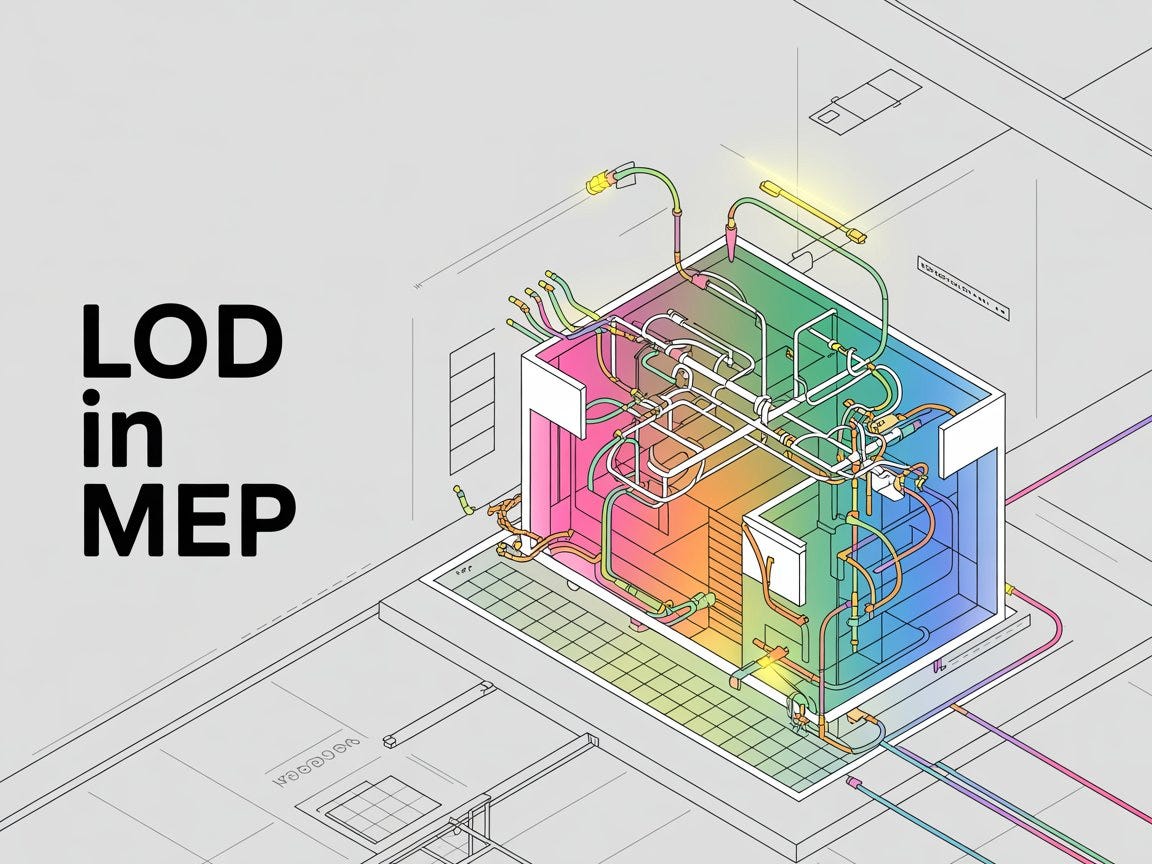
MEP refers to the lifeline systems of any building:
-
Mechanical – HVAC, ventilation, firefighting, pumps
-
Electrical – Power distribution, lighting, ELV systems
-
Plumbing – Water supply, drainage, STP systems
In 2026, complex buildings such as hospitals, airports, IT parks, data centers, and high-rise towers rely heavily on well-coordinated MEP systems.
Without trained MEP engineers, even the best civil structures fail to function.
Why Engineering Graduates Struggle Without MEP Training

❌ What Traditional Education Focuses On
-
Theory-based learning
-
Limited exposure to live projects
-
No real site coordination
-
No drawing or BOQ handling
✅ What the Industry Demands in 2026
-
Practical HVAC & electrical knowledge
-
Ability to read and interpret MEP drawings
-
Site execution & coordination skills
-
BIM awareness and digital workflows
This gap between education and industry makes MEP training essential.
Key Reasons Why MEP Training Is Mandatory in 2026
1️⃣ Skill-Based Hiring Has Replaced Degree-Based Hiring
Construction companies today recruit engineers who can:
-
Handle site responsibilities
-
Coordinate with multiple disciplines
-
Solve real-time execution problems
MEP training converts fresh graduates into job-ready engineers.
2️⃣ Infrastructure & Smart Building Boom


With the rise of smart cities, green buildings, and advanced healthcare facilities, MEP systems have become more technical and integrated—requiring trained professionals.
3️⃣ Strong Demand for MEP Engineers in Gulf Countries


GCC countries actively recruit MEP engineers for large-scale developments. However, recruiters clearly prefer candidates with structured MEP training and practical exposure.
4️⃣ BIM & Digital Construction Are Now Industry Standards



By 2026:
-
BIM coordination is compulsory
-
Clash detection is standard practice
-
Revit MEP is widely used
MEP training combined with BIM knowledge is now a core requirement, not an added skill.
5️⃣ Cross-Discipline Knowledge Is Mandatory


Modern projects require engineers to understand multiple services, not just their core branch. MEP training builds this essential cross-functional capability.
What a Modern MEP Training Program Must Cover


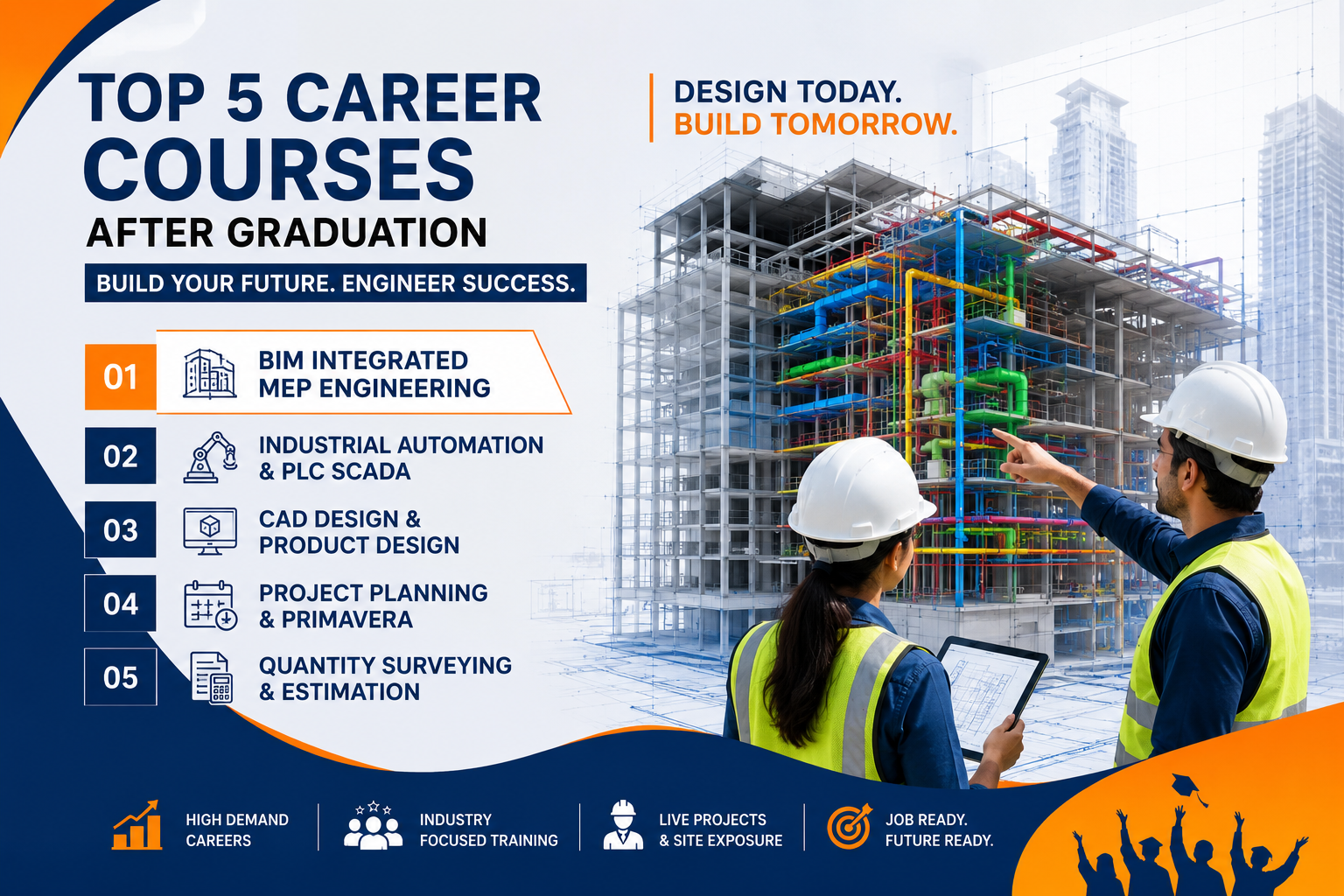
A 2026-ready MEP program should include:
-
HVAC systems & site execution
-
Electrical power & ELV systems
-
Plumbing & firefighting
-
MEP drawings & BOQs
-
BIM fundamentals (Revit, coordination)
-
Live project case studies
Career Benefits After MEP Training


Career Roles
-
MEP Site Engineer
-
HVAC Engineer
-
Electrical Project Engineer
-
MEP BIM Engineer
-
Facilities Engineer
Salary Growth (Indicative – 2026)
-
Without MEP training: ₹12k – ₹18k
-
With MEP training: ₹25k – ₹45k
-
Gulf roles: ₹80k – ₹2L+
Why Engineers Choose Industry-Oriented Training
Institutes like Ace India Training and Services Pvt Ltd focus on practical, industry-aligned training, helping engineers transition smoothly from classroom to construction site.